DARCARS 355 Toyota of Rockville

Blog / Auto Repair in Rockville

How to Tell When your Car Needs a New Catalytic Converter in Rockville, MD

Catalytic Converter in Rockville, MD
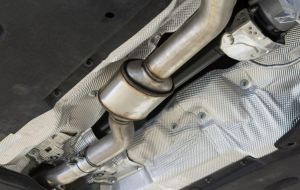
Your car's catalytic converter is an essential component that converts harmful emissions from your Toyota vehicle into a harmless gas. Several factors can cause your vehicle's converter to fail, causing a host of issues. If you're not quite sure how well your converter is holding up, the team at DARCARS 355 Toyota of Rockville has put together this list of things you can discuss with your Toyota dealer to determine whether or not you need a new converter.  

How Old Is Your Catalytic Converter?

One of the first things to consider is the age of your vehicle's converter. Over time, converters can suffer from many issues such as overheating, clogs, and damage from impacts. Most converters last for about 10 years before these issues get out of hand, so if you've had the same converter for 10 years or more, there's a high chance that you need to replace the converter.

Is Your Car Performing Poorly?

The next thing to take note of when determining if your vehicle needs a new converter is a reduction in your vehicle's performance. Sure, many issues can cause your vehicle to perform poorly, but converter issues usually have a direct impact on your vehicle's engine. Your car's engine depends on complete fuel combustion to perform well. However, a failing converter causes incomplete fuel combustion, which can lead to engine misfires.   In addition, a failing converter causes back pressure that can stress and wear away at your vehicle's engine, eventually causing the engine to stall. If you notice any of these issues or a combination of them, there's a good chance that your car's converter has seen better days.  

Does Your Car Give Off a Bad Exhaust Smell?

Last on our list of things to consider when determining if your Toyota needs a new converter is the smell of your vehicle's exhaust. As we've mentioned, your vehicle's converter is designed to convert harmful gas exhaust into harmless alternatives.   However, if this conversion process fails due to a faulty converter, these harmful gases may find their way into your vehicle's exhaust. When that happens, your vehicle's exhaust may begin to give off a rotten egg or sulfur smell. This smell is a sure sign that your Toyota needs a new converter.  

How Your Toyota Dealer Can Help

Reaching out to your local team of Toyota specialists to help you resolve your converter issues is never a mistake. Whether you're driving a Toyota GR86 or the ever-popular Toyota Camry, these professionals have the knowledge and expertise to pick out the signs associated with a faulty converter. These specialists also offer vehicle service and parts to help you get your Toyota back into tip-top condition.   As you can see, there are plenty of things to look out for to determine whether your converter is working properly or not. To get your converter fixed so that you can get back out on the road, schedule a service appointment at DARCARS 355 Toyota of Rockville. Keep learning more ways to keep your Toyota in great shape by checking out our related blogs today!

Posted in:

Related Posts

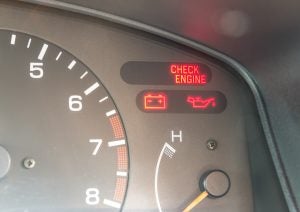
Check Engine Light Rockville, MD

What Causes Acceleration Problems in a Car?

Car acceleration is the rate at which your vehicle speeds up from a standstill to a higher velocity. It’s a crucial performance aspect of your vehicle that greatly influences your driving experience, whether you're merging onto the highway or traveling around town. If your car is sluggish or struggling to accelerate, it may signal underlying issues that require immediate attention. For any acceleration concerns, visit our Toyota dealership’s service center for expert diagnosis and repair. Parts That Affect Car Acceleration Several key components work together to deliver smooth acceleration in your vehicle. The engine is the primary source of power. The performance of the engine can significantly influence acceleration. There is also transmission, which is responsible for transferring engine power to the wheels. Manual, automatic, and continuously variable transmissions affect acceleration differently. more The fuel system in your vehicle supplies the engine with the necessary fuel-air mixture. Other key aspects to consider are the air intake system, ignition system, and exhaust system. For instance, clogged air filters can impede acceleration. Additionally, faulty ignition components can cause misfires and sluggish acceleration. The exhaust system removes engine exhaust gases, and things like a clogged catalytic converter or malfunctioning oxygen sensor can restrict acceleration. Acceleration in a car can also be affected by the drivetrain and wheels. Components like the differential, axles, and tires affect how power is delivered to the road. Signs of Acceleration Problems Noticing early signs of acceleration issues can help save you from costly repairs later. Have you noticed that your vehicle has a sluggish response when pressing down on the pedal? You may notice delayed acceleration even when you press the pedal harder. Your car may also experience sudden jerks or surges while accelerating, which could indicate transmission or fuel system problems. Do you hear knocking, hissing, or sputtering sounds? Unusual sounds can hint at issues in the ignition or exhaust system. The check engine light may also come on, and you may notice a difference in fuel consumption. A drop in fuel efficiency might indicate engine or fuel system issues affecting acceleration. Schedule Your Service Visit in Rockville, MD Today for Acceleration Problems If your car is exhibiting any of these acceleration issues or simply doesn’t feel right, it’s time to schedule a service visit at our Toyota dealership. Our certified technicians are equipped to handle all your repair needs, from engine diagnostics to transmission servicing. Ensure your vehicle is running at peak performance by contacting us today and booking your appointment. We’ll get you back on the road with confidence and speed!

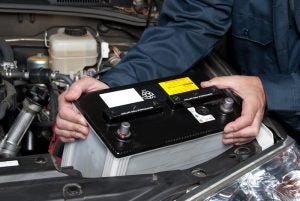
Battery Replacement Rockville, MD

Why Is My Car Not Starting?

Have you encountered your vehicle not starting? You're all set to go, and then you turn the key or hit the start button, and... nothing. Let's walk through some common reasons for a car not starting and see if we can figure out why your car is not starting. Common Reasons for a Car Not Starting Your Car Battery Needs to Be Replaced If you're getting some clicking noises but the engine won't turn over, your battery is probably the issue. If your headlights are dim or won't turn on, that is a key sign of a faulty battery. Try jump-starting your car. Keeping jumper cables or a portable charger in your trunk can help save the day in moments like this. more Alternator Trouble Your alternator keeps the battery charged and powers the car's electronics while it's running. If it's not working correctly, it can't recharge your battery, leaving you with a car that won't start after the battery's charge runs out. If your car starts but then quits soon after, or if your lights have been flickering or dimming, you might have an alternator issue. Faulty Starter Motor The starter motor's job is to get your engine going. A bad starter usually announces itself with a single loud click when you try to start the car, but the engine won't turn over. Listen for that distinctive click. Fuel System Trouble If your engine cranks but won't catch, there could be a snag in the fuel system. Maybe your fuel filter is clogged, or the fuel pump or the injectors are having issues. If it feels like the engine is trying to start but can't catch, think about the last time you changed your fuel filter. Ignition Issues For your car to start, the ignition system needs to spark the fuel in the engine. Trouble here could mean something wrong with your spark plugs, a faulty ignition coil, or a glitchy ignition switch. If the engine cranks but doesn't start and you've already ruled out the fuel system, it's time to suspect the ignition. Previous engine misfires or a persistent check engine light can hint at this issue. Key Fob or Security System Repair Needed Have you checked to see if your car has a key fob battery or immobilizer that’s not working? If pushing the start button gets you nowhere with your push-button start, try changing your key fob's battery. A flashing security light on your dash can also indicate the car doesn't recognize the key, thanks to a security system hiccup. Car Not Starting in Rockville, MD? Visit Our Service Center! Regular check-ups can help prevent some of these issues from catching you off guard. Call DARCARS 355 Toyota of Rockville in Rockville, MD, to schedule service today.

Toyota Tire Rockville, MD

Booking a Summer Maintenance Appointment for My Toyota

Every driver in Maryland knows the importance of winterizing your car to protect it against potential problems like icy roads, snow, and other extreme conditions. Our summers are amazing, but they can also cause problems for vehicles that are not sufficiently prepared for the changing weather. As part of your Toyota maintenance, we'd like you to know more about summer car maintenance and how it can improve your car's performance. Toyota Maintenance Advice: Essential Summer Car Maintenance for Your Toyota Check Tire Pressure Tires slowly wear down as you drive. They will also wear out faster if they're over or under-inflated. Your car manual lists the correct tire pressure for your front and rear tires, and we recommend checking their pressure regularly. When you're driving, the air inside your tires heats up. This increases the pressure inside a tire and makes it more likely to blow out. more Underinflated tires have an increased surface area in contact with the ground. This adds to wear and will weaken your tire structure in the long term. Correctly inflated tires will last longer, be less susceptible to damage, and protect your axles, braking system, and other components from unnecessary strain and potential damage. We can easily check your tires and correct any tire pressure issues for you while you wait. Check and Replace Coolant Your Toyota's engine is naturally a very hot environment. Combustion produces large amounts of heat, and this heat must be removed to protect your engine. Your car's cooling system is designed to protect our engine by removing heat and replacing it with cooler outside air. Coolant is circulated through the engine, absorbs the heat, and transports it to the radiator for removal by heat exchange. Your coolant levels shouldn't fluctuate, as coolant isn't consumed during the cooling process. It does, however, need to be changed after approximately 30,000 miles. Older coolant can become acidic, and acidic coolant can cause rust and other damage to the cooling system. Checking and replacing coolant enables your cooling system to work more effectively during the hotter temperatures of summer. Test Your Battery A car battery has a useful life of three to five years. The chemicals inside the battery that allow it to store and supply electricity slowly degrade and will become inert. The speed of this chemical breakdown can be increased by high external temperatures during summer. A dead battery can be even more of a problem if it leaves you stranded in hot ​weather. ​Our technicians can test your battery ​to confirm that it's healthy and working correctly. A battery test will identify any weakness or problem with your battery, and we can ​quickly install a new one for ​you if ​necessary. Remember Your Summer Car Maintenance in Rockville, MD Don't risk a car problem this summer. Call our service department today at DARCARS 355 Toyota of Rockville.