

DARCARS 355 Toyota of Rockville

Blog / Auto Repair in Rockville

Blog

All Auto Repair in Rockville Learn About Toyota Models Rockville Toyota Dealer Tips & Tricks 2023 Toyota Model Lineup Toyota Service & Repair Car Ownership Questions Rockville Toyota Service DARCARS 355 Toyota of Rockville Service Hybrid Models Living in Maryland Auto Repair Toyota Camry 3 Row Toyota Toyota SUVs Driving in Maryland Toyota Electric Vehicles Toyota Grand Highlander Toyota Tacoma Buying a Car Car Safety Tips Rockville Toyota bZ4X Toyota Crown Toyota Highlander Toyota Hybrid Toyota Land Cruiser Toyota Sequoia Toyota Sienna Toyota Trucks Toyota Venza Brake Pad Replacement Brakes Service Car Tool Kit Car Warranty Custom Toyota Engine Repair Fuel Efficiency GR Supra Jump Starting Car Rockville, MD Leasing a Car Oil Changes Rockville Used Cars Summer Maintenance Toyota Camry Hybrid Toyota Colors Toyota Corolla Cross Hybrid Toyota Corolla Hatchback Toyota Corolla Hybrid Toyota Drive Modes Toyota GR Corolla Toyota GR86 Toyota Grand Highlander Hybrid Toyota Highlander Hybrid Toyota Nightshade Edition Models Toyota Performance Toyota Prius Toyota Prius Prime Toyota RAV4 Toyota RAV4 Hybrid Toyota Safety Features Toyota Towing ToyotaCare Transmission Service Winter Auto Maintenance
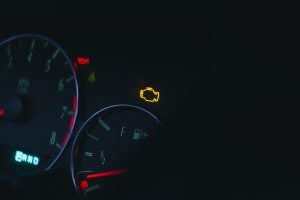
Check Engine Light Rockville, MD

What Causes Acceleration Problems in a Car?

Car acceleration is the rate at which your vehicle speeds up from a standstill to a higher velocity. It’s a crucial performance aspect of your vehicle that greatly influences your driving experience, whether you're merging onto the highway or traveling around town. If your car is sluggish or struggling to accelerate, it may signal underlying issues that require immediate attention. For any acceleration concerns, visit our Toyota dealership’s service center for expert diagnosis and repair. Parts That Affect Car Acceleration Several key components work together to deliver smooth acceleration in your vehicle. The engine is the primary source of power. The performance of the engine can significantly influence acceleration. There is also transmission, which is responsible for transferring engine power to the wheels. Manual, automatic, and continuously variable transmissions affect acceleration differently. more The fuel system in your vehicle supplies the engine with the necessary fuel-air mixture. Other key aspects to consider are the air intake system, ignition system, and exhaust system. For instance, clogged air filters can impede acceleration. Additionally, faulty ignition components can cause misfires and sluggish acceleration. The exhaust system removes engine exhaust gases, and things like a clogged catalytic converter or malfunctioning oxygen sensor can restrict acceleration. Acceleration in a car can also be affected by the drivetrain and wheels. Components like the differential, axles, and tires affect how power is delivered to the road. Signs of Acceleration Problems Noticing early signs of acceleration issues can help save you from costly repairs later. Have you noticed that your vehicle has a sluggish response when pressing down on the pedal? You may notice delayed acceleration even when you press the pedal harder. Your car may also experience sudden jerks or surges while accelerating, which could indicate transmission or fuel system problems. Do you hear knocking, hissing, or sputtering sounds? Unusual sounds can hint at issues in the ignition or exhaust system. The check engine light may also come on, and you may notice a difference in fuel consumption. A drop in fuel efficiency might indicate engine or fuel system issues affecting acceleration. Schedule Your Service Visit in Rockville, MD Today for Acceleration Problems If your car is exhibiting any of these acceleration issues or simply doesn’t feel right, it’s time to schedule a service visit at our Toyota dealership. Our certified technicians are equipped to handle all your repair needs, from engine diagnostics to transmission servicing. Ensure your vehicle is running at peak performance by contacting us today and booking your appointment. We’ll get you back on the road with confidence and speed!
Battery Replacement Rockville, MD

Why Is My Car Not Starting?

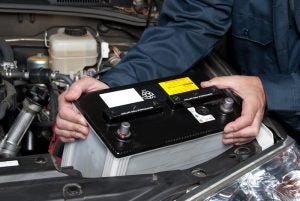
Have you encountered your vehicle not starting? You're all set to go, and then you turn the key or hit the start button, and... nothing. Let's walk through some common reasons for a car not starting and see if we can figure out why your car is not starting. Common Reasons for a Car Not Starting Your Car Battery Needs to Be Replaced If you're getting some clicking noises but the engine won't turn over, your battery is probably the issue. If your headlights are dim or won't turn on, that is a key sign of a faulty battery. Try jump-starting your car. Keeping jumper cables or a portable charger in your trunk can help save the day in moments like this. more Alternator Trouble Your alternator keeps the battery charged and powers the car's electronics while it's running. If it's not working correctly, it can't recharge your battery, leaving you with a car that won't start after the battery's charge runs out. If your car starts but then quits soon after, or if your lights have been flickering or dimming, you might have an alternator issue. Faulty Starter Motor The starter motor's job is to get your engine going. A bad starter usually announces itself with a single loud click when you try to start the car, but the engine won't turn over. Listen for that distinctive click. Fuel System Trouble If your engine cranks but won't catch, there could be a snag in the fuel system. Maybe your fuel filter is clogged, or the fuel pump or the injectors are having issues. If it feels like the engine is trying to start but can't catch, think about the last time you changed your fuel filter. Ignition Issues For your car to start, the ignition system needs to spark the fuel in the engine. Trouble here could mean something wrong with your spark plugs, a faulty ignition coil, or a glitchy ignition switch. If the engine cranks but doesn't start and you've already ruled out the fuel system, it's time to suspect the ignition. Previous engine misfires or a persistent check engine light can hint at this issue. Key Fob or Security System Repair Needed Have you checked to see if your car has a key fob battery or immobilizer that’s not working? If pushing the start button gets you nowhere with your push-button start, try changing your key fob's battery. A flashing security light on your dash can also indicate the car doesn't recognize the key, thanks to a security system hiccup. Car Not Starting in Rockville, MD? Visit Our Service Center! Regular check-ups can help prevent some of these issues from catching you off guard. Call DARCARS 355 Toyota of Rockville in Rockville, MD, to schedule service today.

Toyota Tire Rockville, MD

Booking a Summer Maintenance Appointment for My Toyota

Every driver in Maryland knows the importance of winterizing your car to protect it against potential problems like icy roads, snow, and other extreme conditions. Our summers are amazing, but they can also cause problems for vehicles that are not sufficiently prepared for the changing weather. As part of your Toyota maintenance, we'd like you to know more about summer car maintenance and how it can improve your car's performance. Toyota Maintenance Advice: Essential Summer Car Maintenance for Your Toyota Check Tire Pressure Tires slowly wear down as you drive. They will also wear out faster if they're over or under-inflated. Your car manual lists the correct tire pressure for your front and rear tires, and we recommend checking their pressure regularly. When you're driving, the air inside your tires heats up. This increases the pressure inside a tire and makes it more likely to blow out. more Underinflated tires have an increased surface area in contact with the ground. This adds to wear and will weaken your tire structure in the long term. Correctly inflated tires will last longer, be less susceptible to damage, and protect your axles, braking system, and other components from unnecessary strain and potential damage. We can easily check your tires and correct any tire pressure issues for you while you wait. Check and Replace Coolant Your Toyota's engine is naturally a very hot environment. Combustion produces large amounts of heat, and this heat must be removed to protect your engine. Your car's cooling system is designed to protect our engine by removing heat and replacing it with cooler outside air. Coolant is circulated through the engine, absorbs the heat, and transports it to the radiator for removal by heat exchange. Your coolant levels shouldn't fluctuate, as coolant isn't consumed during the cooling process. It does, however, need to be changed after approximately 30,000 miles. Older coolant can become acidic, and acidic coolant can cause rust and other damage to the cooling system. Checking and replacing coolant enables your cooling system to work more effectively during the hotter temperatures of summer. Test Your Battery A car battery has a useful life of three to five years. The chemicals inside the battery that allow it to store and supply electricity slowly degrade and will become inert. The speed of this chemical breakdown can be increased by high external temperatures during summer. A dead battery can be even more of a problem if it leaves you stranded in hot ​weather. ​Our technicians can test your battery ​to confirm that it's healthy and working correctly. A battery test will identify any weakness or problem with your battery, and we can ​quickly install a new one for ​you if ​necessary. Remember Your Summer Car Maintenance in Rockville, MD Don't risk a car problem this summer. Call our service department today at DARCARS 355 Toyota of Rockville.

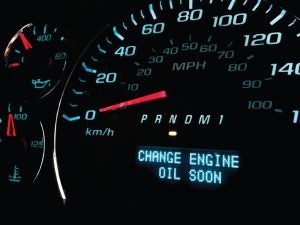
Change Oil Soon Message Dashboard Rockville, MD

How Often Do You Need to Get an Oil Change?

Regularly changing your car's oil is crucial for keeping your engine running smoothly. However, with varying opinions and different advice, understanding how often you should change your car's oil can be a challenge. If you live in Rockville, MD and are unsure about your car's oil change frequency, we can help. Driving in Rockville, MD: Oil Change FAQs Follow the Owner's Manual Your owner's manual is the ultimate guide to understanding your vehicle's manufacturer recommended service intervals. It'll provide detailed instructions on what type of oil to use and how often to change it. Often, manufacturers will suggest changing your oil every 5,000 to 7,500 miles. However, this interval can vary depending on the car's make and model, so check your owner's manual in order to confirm the suggested service frequency for your specific vehicle. more Understand Influencing Factors Several factors — such as driving habits, road conditions, and climate — can affect the frequency of your oil service intervals. Frequent short trips or stop-and-go traffic can cause the engine to work harder, leading to faster oil breakdown. On the other hand, highway driving at consistent speeds tends to put less stress on the engine, which can result in longer oil life. Extreme temperatures also impact oil life. Cold temperatures cause oil to thicken, making it harder for the engine to turn over, while hot temperatures can cause the oil to break down faster. Additionally, driving on dusty or unpaved roads can increase the rate of oil contamination, necessitating more frequent services. Keep An Eye Out for Warning Signs If you notice your car's oil is dark or gritty, your engine is making unusual noises, or your oil pressure light comes on, it's time to change that oil. Dark or gritty oil could be a sign of contamination from debris or engine sludge. This can be a result of normal engine wear and tear or indicate a more serious problem with the engine. Your engine may also make strange knocking or ticking sounds, which could be a sign that the oil is not lubricating it properly. Additionally, if your oil pressure light comes on or flickers, this may indicate that the oil pressure is low, signaling that you should change the oil promptly to avoid costly repairs down the road. Schedule Regular Maintenance Regularly changing your car's oil is one part in a comprehensive maintenance routine. At your scheduled appointment, your service provider can check and replace other fluids as well as perform routine inspections for your tires, brakes, and battery in addition to changing your oil. Additionally, a professional can send you reminders when your next scheduled oil service is approaching. In general, following a regular maintenance schedule will help ensure that your car continues to run efficiently and helps to reduce the risk of unexpected breakdowns. Get Your Toyota Oil Change in Rockville, MD Today Knowing when to change your vehicle's oil is vital to maintaining its performance. While following the manufacturer's recommendations is a good place to start, you must also consider external factors that can impact oil life and pay attention to warning signs that indicate the need for service. If you're unsure about your vehicle's current oil life or would like to schedule a service, come visit us at DARCARS 355 Toyota of Rockville to get your routine oil change service today.

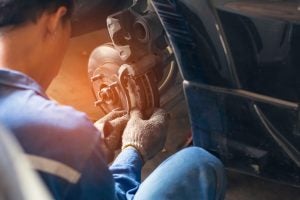
Getting Brake Service Rockville, MD

How Often Should You Replace Your Brake Pads?

Brake pads are a consumable part of your braking system, as they wear out while they work. Worn pads are dangerous, and your Toyota dealer can easily and quickly replace them for you. To keep you safe while you're driving in Rockville, MD, we'd like you to know more about your pads and how to spot a possible problem with them. Brake Pad FAQs What Do Pads Do? The pads fit into the brake calipers that are positioned above each wheel rotor. When you hit the brakes, the calipers close on either side of each rotor. Each pad generates friction against its rotor's surface, and this friction slows and stops the wheels. Friction is essential for slowing and stopping your rotors. The pads have a friction material covering that slowly wears down each time you use your brakes. As the material wears off, your braking system will take longer to respond, and this can lead to an accident. more How Often Do Pads Need Replacement? On average, the pads need replacement every 25,000 to 65,000 miles. The standard replacement time for the pads in your Toyota is listed in your car's manual. It's important to note that your pads could have a longer or shorter life depending on several factors. If, for example, you routinely ride your brakes, the pads will wear out faster. If your pads aren't due for replacement, but your braking system is noisy or slow to respond, the pads could be worn. Our technicians can examine your pads, and we'll replace them if they show signs of damage. Signs You Need New Pads Screeching Noise As we've seen, the pad's friction material covering wears off. A new pad has a covering that's 1/2-inch thick. When a pad has worn down to 1/4-inch thickness, the pad needs to be replaced. You'll start to hear an unpleasant screeching noise each time you brake. This sound is generated by a metal spike in the pad scraping against the rotor as a warning that the pad is thin. Glazed Pads Glazing is caused by pads kept in close contact with the rotors for an extended period. This can happen if you frequently need to drive downhill, or you regularly need to ride your brakes. In both circumstances, the pad skims across the rotor's surface, and its material covering turns glass-like. A glazed pad is dangerous as it can't generate friction and prevents the calipers it's attached to from stopping the wheel from moving. Schedule a Brake Pad Replacement in Rockville, MD Pads are inexpensive, but they can lead to damage to your braking system and even the axles if they've worn out. If your brakes aren't working as efficiently as they should be, visit our service department today at DARCARS 355 Toyota of Rockville.

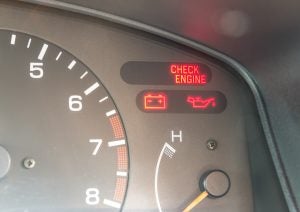
Check Engine Light Rockville, MD

3 Engine Problems to Schedule at Your Toyota Dealer in Rockville, MD

Engine problems can be daunting and can get pricey when it comes to repairs. Regular servicing and maintenance for the engine in your Toyota can help keep it in great shape for years to come. If you experience any problems with your car’s engine, schedule service at your Toyota dealer today. Dirty Intake Manifold on Your Car Combustion requires air and fuel to mix appropriately, and this is where the intake manifold comes in. Fuel and air mix in the intake manifold and the mixture is then injected into the cylinders. Fuel contains carbon, and as time goes on the carbon deposits can build up inside of the manifold. These deposits can partially block the air intake. Your car’s engine needs clean air, which comes in through the air filter and then enters the manifold through the air intake. Carbon and soot deposits in the manifold can affect the fuel-air mix in the manifold. A high fuel-to-air ratio will cause reduced engine performance and increased fuel consumption. more You See Blue or Black Exhaust Smoke Have you noticed exhaust smoke? Exhaust smoke should look thin and white, but if you see blue or black smoke coming from your car, it can mean your car needs engine repair. Blue exhaust smoke can mean that oil is getting into the exhaust system, which is often caused by worn valve seals. When you come in for an engine service, we will be sure to inspect valves. Are you seeing black smoke? Black smoke is a telltale sign of damage to the catalytic converter. Our technicians will examine the converter and if you need any parts replaced, we can do that for you. The Air Filter is Dirty Behind the radiator grille is where you will find the air filter, and this important part removes debris before the air enters your vehicle’s engine. Over time, the filter can experience clogs and will need to get replaced. A dirty air filter will cause problems for your car and can even damage vital engine components. Because your engine needs a lot of clean air for combustion, it will need to work harder if the air in your engine isn’t clean and can become fuel-rich. A fuel-rich engine can cause engine issues like making it difficult for the spark plugs to fire, which in turn can lead to engine misfiring and damage to engine parts. We can replace the filter if your Toyota needs a new air filter. Schedule a Toyota Engine Service in Rockville, MD Does your Toyota engine have any problems? Call us immediately at DARCARS 355 Toyota of Rockville.

Car inspection in Rockville, MD

How Often Should You Get a Car Safety Inspection in Rockville, MD?

Drivers local to Rockville, MD, can get their annual car safety inspection at the local Toyota dealership. Unless your car's manual or your service technicians say otherwise, it's best to come in at least once every 12,000 miles or once a year, whichever comes first. Read on to find out more about a safety inspection and how you can likely reduce the cost of car maintenance. Overview In Maryland, you'll need to get your car inspected when you first buy it, when you move to the state, and when you sell it. What's more, there is an emissions test that needs to be completed every two years. The purpose of this is to check whether your car is emitting more greenhouse gases than necessary. If so, you might have to get the problem fixed. more Although there is no legal requirement to have an annual safety inspection, it's important to do so anyway. Not only can you keep your car in great condition and safe to drive that way, but you're also saving money. The likelihood of big problems is lower when your vehicle is kept in good shape, and you should be able to sell it for more if you can prove that you've been a responsible car owner. What Gets Inspected? All the most important systems of your car get inspected. This includes everything related to the engine, the brakes, the steering system, the safety equipment like the seatbelts, the lights, and the exhaust. Aside from doing diagnostic tests, your mechanics might also take your car for a test ride to check whether it drives smoothly. If there are any problems, we will let you know and suggest the appropriate repairs. How Can I Maintain My Car Cheaply? Keeping your car in good shape doesn't have to cost a lot. To prevent extensive damage, always attend your annual scheduled inspections and maintenance appointments. That way, issues can get caught early, before they develop into bigger problems that cost a lot to be fixed. Although you might pay slightly more at the dealership than at a general mechanic, it's best to choose the brand-name dealer because the employees are trained to work with Toyota models.   To further reduce the cost of car ownership, you can sign up with ToyotaCare or ToyotaCare Plus. These programs allow you to access free maintenance and emergency services for several years.   Getting your car inspected at least once a year is a good idea because it allows you to drive safely, reduce your overall car maintenance costs, and keep your Toyota in great shape. Visit us at DARCARS 355 Toyota of Rockville anytime or schedule an auto service appointment for your vehicle now. Our experienced technicians in Rockville, MD will be happy to take a look at your car.

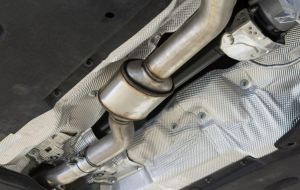
Catalytic Converter in Rockville, MD

How to Tell When your Car Needs a New Catalytic Converter in Rockville, MD

Your car's catalytic converter is an essential component that converts harmful emissions from your Toyota vehicle into a harmless gas. Several factors can cause your vehicle's converter to fail, causing a host of issues. If you're not quite sure how well your converter is holding up, the team at DARCARS 355 Toyota of Rockville has put together this list of things you can discuss with your Toyota dealer to determine whether or not you need a new converter. How Old Is Your Catalytic Converter? One of the first things to consider is the age of your vehicle's converter. Over time, converters can suffer from many issues such as overheating, clogs, and damage from impacts. Most converters last for about 10 years before these issues get out of hand, so if you've had the same converter for 10 years or more, there's a high chance that you need to replace the converter. more Is Your Car Performing Poorly? The next thing to take note of when determining if your vehicle needs a new converter is a reduction in your vehicle's performance. Sure, many issues can cause your vehicle to perform poorly, but converter issues usually have a direct impact on your vehicle's engine. Your car's engine depends on complete fuel combustion to perform well. However, a failing converter causes incomplete fuel combustion, which can lead to engine misfires.   In addition, a failing converter causes back pressure that can stress and wear away at your vehicle's engine, eventually causing the engine to stall. If you notice any of these issues or a combination of them, there's a good chance that your car's converter has seen better days. Does Your Car Give Off a Bad Exhaust Smell? Last on our list of things to consider when determining if your Toyota needs a new converter is the smell of your vehicle's exhaust. As we've mentioned, your vehicle's converter is designed to convert harmful gas exhaust into harmless alternatives.   However, if this conversion process fails due to a faulty converter, these harmful gases may find their way into your vehicle's exhaust. When that happens, your vehicle's exhaust may begin to give off a rotten egg or sulfur smell. This smell is a sure sign that your Toyota needs a new converter. How Your Toyota Dealer Can Help Reaching out to your local team of Toyota specialists to help you resolve your converter issues is never a mistake. Whether you're driving a Toyota GR86 or the ever-popular Toyota Camry, these professionals have the knowledge and expertise to pick out the signs associated with a faulty converter. These specialists also offer vehicle service and parts to help you get your Toyota back into tip-top condition.   As you can see, there are plenty of things to look out for to determine whether your converter is working properly or not. To get your converter fixed so that you can get back out on the road, schedule a service appointment at DARCARS 355 Toyota of Rockville. Keep learning more ways to keep your Toyota in great shape by checking out our related blogs today!

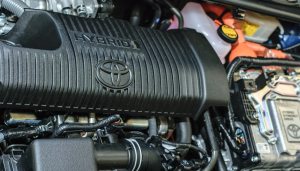
Toyota hybrid engine repair in Rockville, MD

3 Keys to Getting a Quality Collision Repair for Your Toyota

As your Toyota dealer in Rockville, MD, we hope that you'll never experience an accident. It's never a pleasant situation, and even if no one is injured, your car will likely have been damaged. Once everyone involved is safe, the next question is where and how to get the best quality collision repair for your Toyota. We'd like to tell you why our dealership is the best place to repair your car. Expert Technicians All of our technicians are highly trained and are certified by Toyota as experts in repairs and maintenance for all Toyota vehicles. After their extensive training, our technicians are focused daily on repairs, servicing, and maintenance of Toyotas. This extensive practical experience, coupled with a thorough knowledge of all facets of any Toyota, makes them the best choice to repair vehicle damage. more An independent repair shop may have great mechanics, but their knowledge is more generalized. They work daily on a wide variety of repairs on many different makes and models. While they have practical knowledge, they will not be able to reach the specialist levels of our technicians. This lower level of specialization will also show in any repair work. High-Quality Parts All repairs performed by our technicians use only original Toyota parts. These parts are identical to the ones that were used to build your car. Each component was specially designed and engineered to fit and operate perfectly on your car. To return a damaged Toyota to its original state, Original Equipment Manufacturer (OEM) parts are the only ones that can meet that standard.   In contrast, repairs by an independent repair shop will usually use generic parts. These are cheaper than genuine ones, but they don't match the quality or longevity of original parts. A cheaper repair bill is often followed by additional future expenses, as the replacement parts themselves need to be replaced sooner than OEM ones would. Best Technology As a dealer, we have access to the best technology, from diagnostic equipment to paint matching to glass replacement. This technology ensures that all repair work on your Toyota will match the high standard demanded for a Toyota repair. Our service department must maintain these high standards to offer the high-quality work you expect, and that your Toyota deserves.   Independent repair shops are unlikely to have access to the same standard of technology, and this will result in a repair that doesn't match the quality you expect. They are not audited by Toyota, nor is their work guaranteed by Toyota. In addition, if a problem arises with the repair, you will have to take your car to the same repair shop to have the problem rectified.   If your Toyota is damaged, you'll want it to be repaired to the highest standard ASAP. If you need any repairs, click here to schedule an appointment at DARCARS 355 Toyota of Rockville. We have the technicians, parts, and technology to perfectly repair any damage to your vehicle.

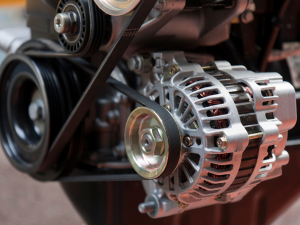
Close Up Image of an Alternator in Rockville, MD

How to Tell When Your Toyota Needs an Alternator Repair in Rockville, MD

A failing alternator always shows signs that something is wrong. Your alternator is responsible for powering the electrical system in your car and in maintaining the battery at full charge, and if it develops problems, it needs to be fixed ASAP. Strange noises, odd smells, and headlight problems are just a few of the telltale indications that you may need an alternator repair, and as your Toyota dealer in Rockville, MD, we're here to help. Disturbing Sounds No driver ever likes to hear unexpected sounds from their car. Grinding, whining, or rattling sounds from your engine immediately conjure up the feeling that something terrible is happening or is about to happen. The alternator is an essential part of a car's electrical charging system, and this system requires numerous belts and pulleys. A problem with one component can easily cause the entire system to start malfunctioning. more A whining sound could be caused by a pulley that is not correctly aligned, the bushings may be wearing out, or the pulley has centered on the shaft and isn't spinning correctly. Grinding sounds can mean that bearings are wearing out and need to be replaced. A rattling sound can mean that the tension on one of the belts is too slack, and the belt is hitting other parts of the engine. Odd Smells Smells of burning metal or burning rubber are not only off-putting, but they indicate problems with your alternator. When an alternator starts to wear, it doesn't produce as much power as it previously did, but the demands on the alternator by the electrical system remain the same. To try and provide extra power to satisfy the demand, the alternator begins working harder. When a damaged alternator overworks itself, it grows hotter, and this causes a strong smell of burning metal. The alternator belt can cause burning rubber smells. This belt is connected to the crankshaft, and the belt runs through numerous systems in the engine. As the crankshaft turns, this movement causes the alternator belt to run across several pulleys, and the pulleys begin to spin. The spinning of the pulleys provides electrical power for the system. If a pulley isn't correctly aligned or jams, this creates extra friction, and the belt rubber will burn. Dim and Bright Lights Headlight malfunctions are a common sign of an alternator problem. When an alternator starts failing and can't produce enough electricity, the available power shifts between the various electrical components. When the headlights go dim, it means that the alternator has supplied just enough power for the lights to work. As other components demand less power, the now extra power will be transferred to the headlights which will suddenly become brighter than they should be.     A weak car battery and a needed alternator repair are confused quite often. However, these two automotive issues are pretty distinguishable. Discover the signs that a car battery needs to be replaced or make things more simple, and schedule a service appointment online. Our team of experts will diagnose and fix the issue in no time! We look forward to seeing you soon here at DARCARS 355 Toyota of Rockville.

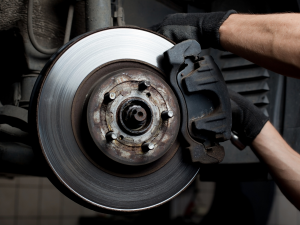
Brake Repair in Rockville, MD

How Can I Tell If I Need New Brake Pads and Rotors?

Getting a brake repair could help prevent a motor accident. Unfortunately, it's not always easy to tell when something is wrong with your brakes. The signs of faulty brakes present themselves in many ways; odd noises and strange smells are two examples. We'll teach you about the indicators above of brake failure, and we'll add more to that list, too. Your Brake Light Comes On If your brake light is on, you often assume that you can ignore it for a while. You might not think that your brakes are in trouble; after all, your brakes may appear to be functioning perfectly. Unfortunately, there's always an issue if the brake light turns on. The light is a warning sign, and it's telling you that you're going to notice the brake issues very soon. It's our best advice to use this sign to get your brakes repaired sooner rather than later! more Something Smells Like It's Burning The scent of something burning could be coming from anywhere; there are often ambient smells lingering in the air. However, if the burning smell intensifies after using the brake pedal, it’s an indication that something is wrong. When this burning smell occurs, your system may be overheating. It's best to pull over as soon as possible and let your car cool down completely. Once the car is cool, visit a dealer to get your vehicle checked for brake damage. Your Pedal Feels Spongy A spongy, squishy, or otherwise flimsy-feeling brake pedal is a cause for concern. You may eventually need to stomp on that pedal to get it to work at all, and it may even stop working altogether. Get your brakes checked as soon as you notice that something feels different. A Vibrating Steering Wheel If your steering wheel starts vibrating, it's probably a sign of an uneven rotor. Go to a dealership for a brake repair. There are two more steering wheel issues to look out for: Your steering wheel repeatedly pulls to one side The steering wheel wobbles The latter issue may make your vehicle wobble, too. The problems listed above could endanger your life, so it’s best to get your brakes repaired as soon as you can. Unusual Noises Occur Vehicles make lots of noise. Sometimes the noises your car makes are innocent; you may have hit some debris that was large enough to make a sound. Unfortunately, a strange noise in your vehicle could also indicate a brake issue. Listen for the following sounds when you use your brakes: Grinding High-pitched metallic shrieking Squeaking If you notice any of the signs detailed above, don't hesitate to visit us at DARCARS 355 Toyota of Rockville for the best quality auto repair in Rockville, MD. Click here for directions or go ahead and set up your service appointment online now! We look forward to seeing you soon!

Winter Driving in Maryland

Driving in Snow: How to Be Safe in Winter Weather in Maryland

Living where the snow falls has undoubtedly given you your fair share of experiences with overconfident drivers who blow right by you on a snowy road, leaving you to wonder if they've ended up in an accident or on the side of the road in a ditch. After years of testing and driving cars in Maryland, we know a thing or two about driving in snow and how to improve your chances of arriving safely at your destination. Read the Maryland Roads Is the surface of the road dull or shiny? Are there bare spots on the pavement mixed with piles of shaded snow? Is the powder uniformly coating the surface? Is the outside temperature rising, creating a slushy mess, or is it still cold enough to keep the snow crunchy and light? You can understand a lot about the available traction ahead just by knowing what to look for, without stopping to get out of your car and assess the ground. In general, shiny roads are indicative of ice or water. Shady spots can be deceptive, giving you a false sense of security when looking at the dry pavement beyond them. Dry snow offers better traction than slush. more Look Far Ahead When Driving in Snow The slipperier the road becomes, the farther down the path you need to look. Anticipating what to do next can mitigate any knee-jerk reactions you might make. Significantly slow down for turns, allow double the lag distance between you and the vehicle ahead when the road is wet, and triple the space on actual snow. When it's icy, drive slow and leave as much room as possible for stopping distance. Driving carefully takes extra concentration, so minimize any distractions. Engage Your Anti-Lock Brakes When you need to stop quickly, and all else has failed, engage the assistance of your car's anti-lock brake system (ABS). Most Toyotas on the road today come with anti-lock brakes. This system uses an onboard computer to maximize braking under extreme circumstances. If you find yourself skidding and cannot recover, push the brake pedal down as hard as possible, and don't let up. The ABS computer will do the rest, braking each wheel aggressively based on the detected traction. You can use your ABS to assess your traction, as well. To check how much grip you have, apply your brakes gently for a few seconds while driving in a straight line. ABS is activated if the brake pedal chatters with no significant deceleration, and the road beneath is slippery. If you can slow down without the ABS activating, then you are on a grippier surface.   Sloppy road conditions from bad weather and winter storms are a factor for nearly half a million crashes a year. Schedule a tune-up at DARCARS 355 Toyota of Rockville today. Don't forget to have our service technicians verify that your tires are equipped to keep you safe.

Contact Us

Fill out this form below and we'll contact you shortly
*Required Fields