

DARCARS 355 Toyota of Rockville

Blog / Toyota Service & Repair

Blog

All Toyota Service & Repair Learn About Toyota Models Rockville Toyota Dealer Tips & Tricks 2023 Toyota Model Lineup Car Ownership Questions Auto Repair in Rockville Rockville Toyota Service DARCARS 355 Toyota of Rockville Service Hybrid Models Living in Maryland Auto Repair Toyota Camry 3 Row Toyota Toyota SUVs Driving in Maryland Toyota Electric Vehicles Toyota Grand Highlander Toyota Tacoma Buying a Car Car Safety Tips Rockville Toyota bZ4X Toyota Crown Toyota Highlander Toyota Hybrid Toyota Land Cruiser Toyota Sequoia Toyota Sienna Toyota Trucks Toyota Venza Brake Pad Replacement Brakes Service Car Tool Kit Car Warranty Custom Toyota Engine Repair Fuel Efficiency GR Supra Jump Starting Car Rockville, MD Leasing a Car Oil Changes Rockville Used Cars Summer Maintenance Toyota Camry Hybrid Toyota Colors Toyota Corolla Cross Hybrid Toyota Corolla Hatchback Toyota Corolla Hybrid Toyota Drive Modes Toyota GR Corolla Toyota GR86 Toyota Grand Highlander Hybrid Toyota Highlander Hybrid Toyota Nightshade Edition Models Toyota Performance Toyota Prius Toyota Prius Prime Toyota RAV4 Toyota RAV4 Hybrid Toyota Safety Features Toyota Towing ToyotaCare Transmission Service Winter Auto Maintenance
Owning a Toyota Rockville, MD

What to Do After ToyotaCare Expires

Each newly purchased or leased Toyota car comes with a complimentary two-year maintenance and roadside assistance plan called ToyotaCare. This coverage provides peace of mind for all new Toyota owners. When your original two-year plan expires, you can sign up for the four-year ToyotaCare Plus plan, which provides ongoing maintenance and roadside assistance at a very affordable price. Is Your ToyotaCare Expiring? When your original two-year expires, many drivers opt for the four-year ToyotaCare Plus plan to keep themselves covered in case of an emergency and also to keep their cars in the best possible condition. However, you will want to confirm eligibility for your vehicle. Find Out if Your Car Is Still Eligible In order to be eligible for the ToyotaCare Plus plan, your car must still be within 37 months of its original in-service date and have fewer than 31,000 miles on the clock. You can check the eligibility of your vehicle by visiting Toyota's website and inputting your vehicle registration number. Alternatively, you can ask at your nearest Toyota dealership. How Long Does ToyotaCare Plus Last? When you first purchased your Toyota, the routine service coverage included in your original two-year plan will have lasted for two years or 25,000 miles, whichever came first. The 24-hour roadside assistance lasts for the full two years with unlimited miles. After two years, when you sign up for the ToyotaCare Plus plan, your new routine service plan lasts for four years or 45,000 miles, whichever comes first. The 24-hour roadside assistance lasts for the entire four years with unlimited miles. Services Provided by the Four-Year Plus Plan The ToyotaCare Plus plan provides the benefits of ToyotaCare. The routine maintenance services include oil and filter changes, tire rotations, fluid inspections and top-ups, multipoint inspections, and maintenance reminders. These services will follow the recommended service schedule for your Toyota model. The included 24-hour roadside assistance program offers many useful emergency services. This includes delivering fuel in an emergency, jump-starting your car, gaining access to your car if you lock yourself out, and changing a punctured tire with your spare. The roadside assistance providers can also free your car if you become stuck in the snow, mud, or sand, tow you to the nearest Toyota dealership, and provide other emergency assistance services. The Cost of Your New Plus Plan You can obtain the four-year ToyotaCare Plus coverage for a very reasonable fee at a participating Toyota dealership. It’s best to contact your local Toyota dealer to inquire about the plan for your car. Explore Toyota Maintenance Plans in Rockville, Maryland Visit DARCARS 355 Toyota of Rockville today to find out more about Toyota's excellent maintenance plans. At our full-service local dealership, we strive to provide smooth, hassle-free vehicle purchasing and ownership experience.

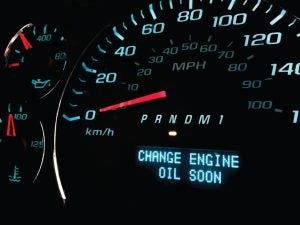
Change Oil Soon Message Dashboard Rockville, MD

How Often Do You Need to Get an Oil Change?

Regularly changing your car's oil is crucial for keeping your engine running smoothly. However, with varying opinions and different advice, understanding how often you should change your car's oil can be a challenge. If you live in Rockville, MD and are unsure about your car's oil change frequency, we can help. Driving in Rockville, MD: Oil Change FAQs Follow the Owner's Manual Your owner's manual is the ultimate guide to understanding your vehicle's manufacturer recommended service intervals. It'll provide detailed instructions on what type of oil to use and how often to change it. Often, manufacturers will suggest changing your oil every 5,000 to 7,500 miles. However, this interval can vary depending on the car's make and model, so check your owner's manual in order to confirm the suggested service frequency for your specific vehicle. Understand Influencing Factors Several factors — such as driving habits, road conditions, and climate — can affect the frequency of your oil service intervals. Frequent short trips or stop-and-go traffic can cause the engine to work harder, leading to faster oil breakdown. On the other hand, highway driving at consistent speeds tends to put less stress on the engine, which can result in longer oil life. Extreme temperatures also impact oil life. Cold temperatures cause oil to thicken, making it harder for the engine to turn over, while hot temperatures can cause the oil to break down faster. Additionally, driving on dusty or unpaved roads can increase the rate of oil contamination, necessitating more frequent services. Keep An Eye Out for Warning Signs If you notice your car's oil is dark or gritty, your engine is making unusual noises, or your oil pressure light comes on, it's time to change that oil. Dark or gritty oil could be a sign of contamination from debris or engine sludge. This can be a result of normal engine wear and tear or indicate a more serious problem with the engine. Your engine may also make strange knocking or ticking sounds, which could be a sign that the oil is not lubricating it properly. Additionally, if your oil pressure light comes on or flickers, this may indicate that the oil pressure is low, signaling that you should change the oil promptly to avoid costly repairs down the road. Schedule Regular Maintenance Regularly changing your car's oil is one part in a comprehensive maintenance routine. At your scheduled appointment, your service provider can check and replace other fluids as well as perform routine inspections for your tires, brakes, and battery in addition to changing your oil. Additionally, a professional can send you reminders when your next scheduled oil service is approaching. In general, following a regular maintenance schedule will help ensure that your car continues to run efficiently and helps to reduce the risk of unexpected breakdowns. Get Your Toyota Oil Change in Rockville, MD Today Knowing when to change your vehicle's oil is vital to maintaining its performance. While following the manufacturer's recommendations is a good place to start, you must also consider external factors that can impact oil life and pay attention to warning signs that indicate the need for service. If you're unsure about your vehicle's current oil life or would like to schedule a service, come visit us at DARCARS 355 Toyota of Rockville to get your routine oil change service today.

Getting Car Brakes Serviced Rockville, MD

How to Tell When You Should Get Your Brakes Serviced

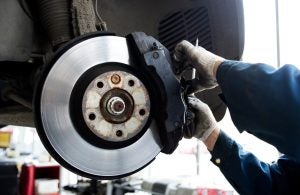
Healthy brakes are essential for your driving safety, as they enable you to control your speed and brake almost instantly. Good brakes can mean the difference between a near miss and a collision. When you're driving in Rockville, MD, we'd like you to know some of the signs that you need to visit us for a brake service for your car. Driving in Rockville, MD: Signs You Need a Brake Service Screeching Brakes A high-pitched screeching from your brakes is a sign that your brake pads have worn down and need replacement. The brake pads fit into the brake calipers positioned about your wheel rotors. When you hit the brakes, the calipers squeeze both sides of each rotor, and the pads generate friction that slows and stops the rotors. Brake pads gradually wear down as they work, and they need to be replaced regularly. When a pad has dropped to 1/4-inch thickness, it reveals a metal spike buried inside the friction material. This spike will scratch against the rotor when you brake and generate a high-pitched screeching noise. Our technicians can quickly remove the worn pads and replace them. Spongy Brake Pedal Your braking system uses pressurized brake fluid to force the calipers against the wheel rotors. When you press down on the brake pedal, you'll feel the resistance generated by the pressurized fluid. The resistance will grow stronger as you apply more pressure to the pedal. If you step on the pedal and feel very little resistance, you have a brake problem. The lack of resistance is caused by either an air bubble in the braking system or a lack of brake fluid. In either circumstance, your brakes won't supply the required pressure to force the calipers against the rotors. This compromises the braking system and will make braking slower and more difficult. We'll examine your braking system and fix the problem. Pulling to One Side When you step on the brake pedal, the brake fluid forces all four calipers to close on the rotors simultaneously. This enables all your wheels to stop at the same moment. If you hit the brakes and feel your car is still moving to one side, you have a brake problem. In this situation, the brake on one of your wheels is not engaging, and this causes your car to move in the direction of the working brake. The brake's failure to engage could be caused by a damaged caliper that can't close on the rotor. It could also be caused by a blockage in the brake hose that prevents brake fluid from forcing the caliper to close. We'll examine your brakes and help repair the problem. Book a Brake Service Appointment in Maryland Today If your brakes need to be serviced, call us right away at DARCARS 355 Toyota of Rockville.

Transmission Service Rockville, MD

What's Involved in Routine Transmission Service?

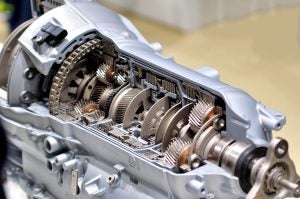
Your Toyota's transmission is one of the hardest working parts of your car. Its purpose is to channel the power of your engine to the wheels in a usable form. The transmission fulfills its mission using a series of gears of diminishing sizes that allow your car to move at the desired speed. We'd like to tell drivers in Rockville, MD what happens during their car's routine transmission service. What Happens During a Transmission Service? Transmission Fluid Replacement Transmission fluid is pumped through the transmission and fulfills a variety of essential tasks. Shifting gears in your transmission requires hydraulic pressure, which the transmission fluid provides. The movement of the fluid through the system helps to reduce the heat generated by hundreds of fast-moving transmission components. Finally, the fluid provides a friction barrier around each component to reduce the possibility of damage. New fluid is bright red, and it becomes darker as it ages. We assess the quality of the fluid, then we drain the transmission by opening the transmission pan gasket. Once the transmission is empty, we check the gasket and securely replace it. If the gasket is worn, we'll fit a new one at this time. Once the gasket is replaced, we refill the transmission with fresh fluid. Filter Replacement As the fluid is pumped through the transmission, it can accumulate minute solid particles. These could be from rust, dirt, tiny metal particles, or other debris. This build up needs to be removed from the transmission to prevent blockages. On its path through the transmission, the fluid passes through a filter which traps the particles and forces them out of the path of the fluid. As time passes, particularly if service is overdue, these particles can accumulate and partially block the filter. The blockage reduces the speed of the fluid as it passes through the filter. Pressure in the transmission drops, and the benefits of the transmission fluid are reduced. As part of the service, we replace the filter with a new one to ensure the free flow of the fluid. Damage Check The transmission pan sits underneath the transmission and houses the transmission fluid. During the service, we remove the pan before we replace the fluid to examine the transmission. Our Toyota-trained technicians are experts at transmission repair, and they carefully check the entire transmission for any signs of damage. Worn gears, corrosion, and debris are just some of the things they check for. If a problem is discovered, we'll advise you immediately. If a repair is needed, we can complete it before we reseal the transmission pan. Once the pan is back in place, we reinstall the gasket or replace it. Schedule Transmission Service in Rockville, MD If you'd like to book a service for your transmission, call us today at DARCARS 355 Toyota of Rockville.

New Tires Rockville, MD

Does Your Toyota Need New Tires in Rockville, MD?

When it comes to car safety, your tires are where the rubber meets the road. Each year, thousands of Americans are injured in accidents because of tires that should have been replaced earlier. If you notice any of the following six signs of tire trouble, head to your local Toyota dealer for a set of new tires right away. Deep Cracks in the Treads Toyota drivers are recommended to check their tire pressure at least once a month. While doing so, take a few extra minutes to examine each tire for cracks in-between the treads. Over the years, it's natural for a few small cracks to appear. But if you see any cracks over an inch in length or deep enough to see the inner tubing beneath the rubber, then that tire is at risk of blowing out while you're driving. You'll need to have it replaced. Deep Cracks in the Sidewalls Tire rubber becomes dried out and damaged by the UV rays of strong sunlight, dramatic changes in temperature, and even persistent rainwater. As the chemicals in the rubber wear away, the sidewalls of your tires will begin to visibly thin and develop hairline cracks. Once again, tiny cracks are harmless enough. But if you see any extremely deep cracks emerge, or cracks over an inch in length, it's best to have that tire changed out. Bulges and Blisters Knocks over potholes or impacts with curbs can sometimes rupture the inner layers of a tire, causing air to release. This air becomes trapped under the upper rubber layer, creating a bulge or blister. Any such visible bubbling means the tire is compromised and might blow out on the road. Possible Punctures Not all punctures are obvious. If you ever notice steady, persistent air loss in a tire, you might have a hidden puncture. This is dangerous, and that tire will have to go. Embedded objects such as nails or bits of metal might also be concealing a hidden puncture. Remove any such objects and see if the tire pressure diminishes, which would indicate a puncture. Insufficient Tread Depth The tread depth of your tires shouldn't be allowed to fall below 5/32 of an inch during winter and 2/32 of an inch during the warmer months. Once treads become thinner than this, you're at risk of skidding or hydroplaning. Your Toyota Dealer Advises Replacements While inspecting your vehicle during regular service visits, a technician will often notice any tire problems that you missed. That's why it's so important to have regular checks of your wheels and brakes. If a trusted technician draws your attention to tire trouble, it's wise to pay attention and have those tires repaired or replaced. When you need your tires inspected, rotated, or changed out in Rockville, MD, we have you covered. Visit our tire service page to learn more about the services we offer or schedule an appointment at DARCARS 355 Toyota of Rockville now!

Driving in Snow in Maryland

How to Protect Your Car During Maryland's Cold Weather Months

Maryland's cold weather can be brutal on your car if you're not prepared for it. Even with regular maintenance, the freezing temperatures and snow can wreak havoc on your vehicle. Fortunately, there are some simple steps you can take to help protect your car during the winter months. We'll cover the most important tips for protecting your car during winter in Rockville, MD. Inspect Your Wipers One of the most important things you can do to protect your car is to inspect your wipers. Cold and snow can take a toll on your wipers, reducing their effectiveness and leaving you unable to drive safely in bad weather. Before winter arrives, check your wiper blades for any signs of wear or tear. If your blades are cracked, torn, or worn down, replace them as soon as possible. It would be best if you also topped off your windshield washer fluid to clear away snow, dirt, and debris that builds up on your windshield. You can ensure a safe driving experience in all conditions with properly functioning wipers. Invest in a Car Cover A car cover will help keep your car protected from the elements, such as snow, hail, and frost. It can also help keep debris and dust out of your vehicle's interior. When shopping for a car cover, it's crucial to find one that fits your specific make and model of car. This will ensure that your vehicle is adequately protected and that there is no risk of damage to the paint job or other exterior components. It would help if you also looked for a car cover that is waterproof and breathable, as this will provide optimal protection for your vehicle. Use a Block Heater A block heater is a device used to preheat a car's engine in cold weather conditions. This can help reduce the strain on your car's engine and provide extra protection against damage from freezing temperatures. The block heater is usually installed on the lower part of the engine, where it can directly heat the coolant and engine oil to warm them up before starting the engine. To use a block heater, you need to plug the cord from the heater into an electrical outlet at least four hours before you plan to start your vehicle. This allows for sufficient time to preheat the engine. Once the engine is warm enough, you can start your car normally. Taking care of your car in the colder months is essential. By inspecting your wipers, investing in a cover, and using a block heater, you will protect your car and ensure it runs efficiently. Trust us at DARCARS 355 Toyota of Rockville today to get your car, truck or SUV ready for winter.   Image by Pixabay

Tire Pressure Check in Rockville, MD

Driving in MD: How to Check the Tire Pressure on Your Car

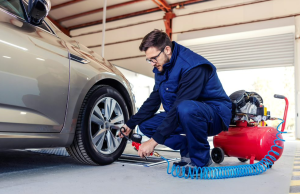
Healthy tires are vital for your driving safety. One of the easier ways to maintain the health of your tires is to ensure that they are always at the correct pressure. Incorrectly inflated tires can lead to problems like additional wear or a blowout. We want you to enjoy your time on the roads here in Rockville, MD, so we'd like to tell you how to check tire pressure. What Do You Need? Checking your tires only requires a tire pressure gauge. This gauge doesn't require special knowledge or understanding and is easy for anyone to use. There are two types of gauges: digital and manual. Either of these gauges will give you an accurate reading of your tire pressure. You can check your tire pressure at a gas station, but their gauges aren't always calibrated regularly. Advice Before Checking Tire Pressure It's important not to check your tire pressure after you've been driving. When you drive, your tires heat up. This heat is transferred to the air in your tires. As the air in the tires heats up, its pressure increases. If you check your tires too soon after driving, you'll likely get a false reading. It's advisable to allow at least three hours before checking your tires. Find Your Tire Pressure Readings The correct pressure for your tires is listed in your car's manual and on a sticker or plate in the inside door jamb of the front driver side door. When you look at the tire pressure, your front and rear tires may have different readings. If your car is an FWD, the rear tires will have a higher pressure, and the front tires on an RWD car will have a higher pressure. The tires that carry the most weight will always have a higher pressure. Each tire has a tire pressure marked on it. This pressure is not the correct pressure for your car, it's the maximum allowable pressure for the tire. Check Your Tires Remove the cap from the tire nozzle and attach the tire pressure gauge. Write down the reading for the tire, then replace the cap and repeat this process with the other three tires. Once you have all the readings, compare the actual readings to the correct readings for your car. You now know which tires need to have their pressure corrected. Low tire pressure will increase wear and damage to a tire, and high pressure could result in a blowout. Now you know how to check your tires, so you can help keep them in good condition for longer. If you'd like to know more about tire care, contact us at DARCARS 355 Toyota of Rockville or visit our tire information page to learn more!

Car inspection in Rockville, MD

How Often Should You Get a Car Safety Inspection in Rockville, MD?

Drivers local to Rockville, MD, can get their annual car safety inspection at the local Toyota dealership. Unless your car's manual or your service technicians say otherwise, it's best to come in at least once every 12,000 miles or once a year, whichever comes first. Read on to find out more about a safety inspection and how you can likely reduce the cost of car maintenance. Overview In Maryland, you'll need to get your car inspected when you first buy it, when you move to the state, and when you sell it. What's more, there is an emissions test that needs to be completed every two years. The purpose of this is to check whether your car is emitting more greenhouse gases than necessary. If so, you might have to get the problem fixed. Although there is no legal requirement to have an annual safety inspection, it's important to do so anyway. Not only can you keep your car in great condition and safe to drive that way, but you're also saving money. The likelihood of big problems is lower when your vehicle is kept in good shape, and you should be able to sell it for more if you can prove that you've been a responsible car owner. What Gets Inspected? All the most important systems of your car get inspected. This includes everything related to the engine, the brakes, the steering system, the safety equipment like the seatbelts, the lights, and the exhaust. Aside from doing diagnostic tests, your mechanics might also take your car for a test ride to check whether it drives smoothly. If there are any problems, we will let you know and suggest the appropriate repairs. How Can I Maintain My Car Cheaply? Keeping your car in good shape doesn't have to cost a lot. To prevent extensive damage, always attend your annual scheduled inspections and maintenance appointments. That way, issues can get caught early, before they develop into bigger problems that cost a lot to be fixed. Although you might pay slightly more at the dealership than at a general mechanic, it's best to choose the brand-name dealer because the employees are trained to work with Toyota models.   To further reduce the cost of car ownership, you can sign up with ToyotaCare or ToyotaCare Plus. These programs allow you to access free maintenance and emergency services for several years.   Getting your car inspected at least once a year is a good idea because it allows you to drive safely, reduce your overall car maintenance costs, and keep your Toyota in great shape. Visit us at DARCARS 355 Toyota of Rockville anytime or schedule an auto service appointment for your vehicle now. Our experienced technicians in Rockville, MD will be happy to take a look at your car.

Catalytic Converter in Rockville, MD

How to Tell When your Car Needs a New Catalytic Converter in Rockville, MD

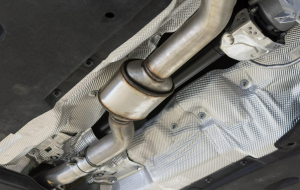
Your car's catalytic converter is an essential component that converts harmful emissions from your Toyota vehicle into a harmless gas. Several factors can cause your vehicle's converter to fail, causing a host of issues. If you're not quite sure how well your converter is holding up, the team at DARCARS 355 Toyota of Rockville has put together this list of things you can discuss with your Toyota dealer to determine whether or not you need a new converter. How Old Is Your Catalytic Converter? One of the first things to consider is the age of your vehicle's converter. Over time, converters can suffer from many issues such as overheating, clogs, and damage from impacts. Most converters last for about 10 years before these issues get out of hand, so if you've had the same converter for 10 years or more, there's a high chance that you need to replace the converter. Is Your Car Performing Poorly? The next thing to take note of when determining if your vehicle needs a new converter is a reduction in your vehicle's performance. Sure, many issues can cause your vehicle to perform poorly, but converter issues usually have a direct impact on your vehicle's engine. Your car's engine depends on complete fuel combustion to perform well. However, a failing converter causes incomplete fuel combustion, which can lead to engine misfires.   In addition, a failing converter causes back pressure that can stress and wear away at your vehicle's engine, eventually causing the engine to stall. If you notice any of these issues or a combination of them, there's a good chance that your car's converter has seen better days. Does Your Car Give Off a Bad Exhaust Smell? Last on our list of things to consider when determining if your Toyota needs a new converter is the smell of your vehicle's exhaust. As we've mentioned, your vehicle's converter is designed to convert harmful gas exhaust into harmless alternatives.   However, if this conversion process fails due to a faulty converter, these harmful gases may find their way into your vehicle's exhaust. When that happens, your vehicle's exhaust may begin to give off a rotten egg or sulfur smell. This smell is a sure sign that your Toyota needs a new converter. How Your Toyota Dealer Can Help Reaching out to your local team of Toyota specialists to help you resolve your converter issues is never a mistake. Whether you're driving a Toyota GR86 or the ever-popular Toyota Camry, these professionals have the knowledge and expertise to pick out the signs associated with a faulty converter. These specialists also offer vehicle service and parts to help you get your Toyota back into tip-top condition.   As you can see, there are plenty of things to look out for to determine whether your converter is working properly or not. To get your converter fixed so that you can get back out on the road, schedule a service appointment at DARCARS 355 Toyota of Rockville. Keep learning more ways to keep your Toyota in great shape by checking out our related blogs today!

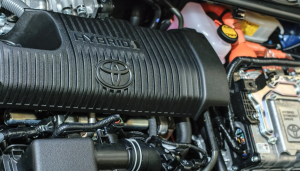
Toyota hybrid engine repair in Rockville, MD

3 Keys to Getting a Quality Collision Repair for Your Toyota

As your Toyota dealer in Rockville, MD, we hope that you'll never experience an accident. It's never a pleasant situation, and even if no one is injured, your car will likely have been damaged. Once everyone involved is safe, the next question is where and how to get the best quality collision repair for your Toyota. We'd like to tell you why our dealership is the best place to repair your car. Expert Technicians All of our technicians are highly trained and are certified by Toyota as experts in repairs and maintenance for all Toyota vehicles. After their extensive training, our technicians are focused daily on repairs, servicing, and maintenance of Toyotas. This extensive practical experience, coupled with a thorough knowledge of all facets of any Toyota, makes them the best choice to repair vehicle damage. An independent repair shop may have great mechanics, but their knowledge is more generalized. They work daily on a wide variety of repairs on many different makes and models. While they have practical knowledge, they will not be able to reach the specialist levels of our technicians. This lower level of specialization will also show in any repair work. High-Quality Parts All repairs performed by our technicians use only original Toyota parts. These parts are identical to the ones that were used to build your car. Each component was specially designed and engineered to fit and operate perfectly on your car. To return a damaged Toyota to its original state, Original Equipment Manufacturer (OEM) parts are the only ones that can meet that standard.   In contrast, repairs by an independent repair shop will usually use generic parts. These are cheaper than genuine ones, but they don't match the quality or longevity of original parts. A cheaper repair bill is often followed by additional future expenses, as the replacement parts themselves need to be replaced sooner than OEM ones would. Best Technology As a dealer, we have access to the best technology, from diagnostic equipment to paint matching to glass replacement. This technology ensures that all repair work on your Toyota will match the high standard demanded for a Toyota repair. Our service department must maintain these high standards to offer the high-quality work you expect, and that your Toyota deserves.   Independent repair shops are unlikely to have access to the same standard of technology, and this will result in a repair that doesn't match the quality you expect. They are not audited by Toyota, nor is their work guaranteed by Toyota. In addition, if a problem arises with the repair, you will have to take your car to the same repair shop to have the problem rectified.   If your Toyota is damaged, you'll want it to be repaired to the highest standard ASAP. If you need any repairs, click here to schedule an appointment at DARCARS 355 Toyota of Rockville. We have the technicians, parts, and technology to perfectly repair any damage to your vehicle.

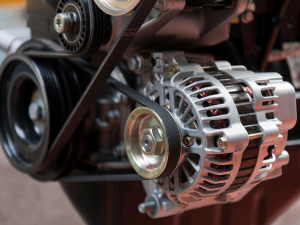
Close Up Image of an Alternator in Rockville, MD

How to Tell When Your Toyota Needs an Alternator Repair in Rockville, MD

A failing alternator always shows signs that something is wrong. Your alternator is responsible for powering the electrical system in your car and in maintaining the battery at full charge, and if it develops problems, it needs to be fixed ASAP. Strange noises, odd smells, and headlight problems are just a few of the telltale indications that you may need an alternator repair, and as your Toyota dealer in Rockville, MD, we're here to help. Disturbing Sounds No driver ever likes to hear unexpected sounds from their car. Grinding, whining, or rattling sounds from your engine immediately conjure up the feeling that something terrible is happening or is about to happen. The alternator is an essential part of a car's electrical charging system, and this system requires numerous belts and pulleys. A problem with one component can easily cause the entire system to start malfunctioning. A whining sound could be caused by a pulley that is not correctly aligned, the bushings may be wearing out, or the pulley has centered on the shaft and isn't spinning correctly. Grinding sounds can mean that bearings are wearing out and need to be replaced. A rattling sound can mean that the tension on one of the belts is too slack, and the belt is hitting other parts of the engine. Odd Smells Smells of burning metal or burning rubber are not only off-putting, but they indicate problems with your alternator. When an alternator starts to wear, it doesn't produce as much power as it previously did, but the demands on the alternator by the electrical system remain the same. To try and provide extra power to satisfy the demand, the alternator begins working harder. When a damaged alternator overworks itself, it grows hotter, and this causes a strong smell of burning metal. The alternator belt can cause burning rubber smells. This belt is connected to the crankshaft, and the belt runs through numerous systems in the engine. As the crankshaft turns, this movement causes the alternator belt to run across several pulleys, and the pulleys begin to spin. The spinning of the pulleys provides electrical power for the system. If a pulley isn't correctly aligned or jams, this creates extra friction, and the belt rubber will burn. Dim and Bright Lights Headlight malfunctions are a common sign of an alternator problem. When an alternator starts failing and can't produce enough electricity, the available power shifts between the various electrical components. When the headlights go dim, it means that the alternator has supplied just enough power for the lights to work. As other components demand less power, the now extra power will be transferred to the headlights which will suddenly become brighter than they should be.     A weak car battery and a needed alternator repair are confused quite often. However, these two automotive issues are pretty distinguishable. Discover the signs that a car battery needs to be replaced or make things more simple, and schedule a service appointment online. Our team of experts will diagnose and fix the issue in no time! We look forward to seeing you soon here at DARCARS 355 Toyota of Rockville.

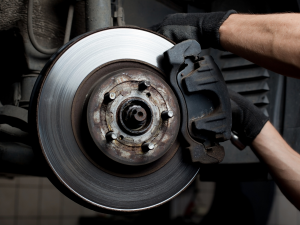
Brake Repair in Rockville, MD

How Can I Tell If I Need New Brake Pads and Rotors?

Getting a brake repair could help prevent a motor accident. Unfortunately, it's not always easy to tell when something is wrong with your brakes. The signs of faulty brakes present themselves in many ways; odd noises and strange smells are two examples. We'll teach you about the indicators above of brake failure, and we'll add more to that list, too. Your Brake Light Comes On If your brake light is on, you often assume that you can ignore it for a while. You might not think that your brakes are in trouble; after all, your brakes may appear to be functioning perfectly. Unfortunately, there's always an issue if the brake light turns on. The light is a warning sign, and it's telling you that you're going to notice the brake issues very soon. It's our best advice to use this sign to get your brakes repaired sooner rather than later! Something Smells Like It's Burning The scent of something burning could be coming from anywhere; there are often ambient smells lingering in the air. However, if the burning smell intensifies after using the brake pedal, it’s an indication that something is wrong. When this burning smell occurs, your system may be overheating. It's best to pull over as soon as possible and let your car cool down completely. Once the car is cool, visit a dealer to get your vehicle checked for brake damage. Your Pedal Feels Spongy A spongy, squishy, or otherwise flimsy-feeling brake pedal is a cause for concern. You may eventually need to stomp on that pedal to get it to work at all, and it may even stop working altogether. Get your brakes checked as soon as you notice that something feels different. A Vibrating Steering Wheel If your steering wheel starts vibrating, it's probably a sign of an uneven rotor. Go to a dealership for a brake repair. There are two more steering wheel issues to look out for: Your steering wheel repeatedly pulls to one side The steering wheel wobbles The latter issue may make your vehicle wobble, too. The problems listed above could endanger your life, so it’s best to get your brakes repaired as soon as you can. Unusual Noises Occur Vehicles make lots of noise. Sometimes the noises your car makes are innocent; you may have hit some debris that was large enough to make a sound. Unfortunately, a strange noise in your vehicle could also indicate a brake issue. Listen for the following sounds when you use your brakes: Grinding High-pitched metallic shrieking Squeaking If you notice any of the signs detailed above, don't hesitate to visit us at DARCARS 355 Toyota of Rockville for the best quality auto repair in Rockville, MD. Click here for directions or go ahead and set up your service appointment online now! We look forward to seeing you soon!

Contact Us

Fill out this form below and we'll contact you shortly
*Required Fields