


DARCARS 355 Toyota of Rockville

Blog / Rockville Toyota Service

What's Involved in Routine Transmission Service?

Transmission Service Rockville, MD

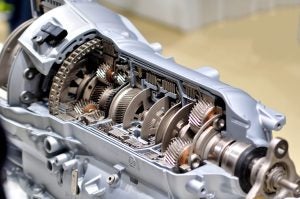
Your Toyota's transmission is one of the hardest working parts of your car. Its purpose is to channel the power of your engine to the wheels in a usable form. The transmission fulfills its mission using a series of gears of diminishing sizes that allow your car to move at the desired speed. We'd like to tell drivers in Rockville, MD what happens during their car's routine transmission service.

What Happens During a Transmission Service?

Transmission Fluid Replacement

Transmission fluid is pumped through the transmission and fulfills a variety of essential tasks. Shifting gears in your transmission requires hydraulic pressure, which the transmission fluid provides. The movement of the fluid through the system helps to reduce the heat generated by hundreds of fast-moving transmission components. Finally, the fluid provides a friction barrier around each component to reduce the possibility of damage.

New fluid is bright red, and it becomes darker as it ages. We assess the quality of the fluid, then we drain the transmission by opening the transmission pan gasket. Once the transmission is empty, we check the gasket and securely replace it. If the gasket is worn, we'll fit a new one at this time. Once the gasket is replaced, we refill the transmission with fresh fluid.

Filter Replacement

As the fluid is pumped through the transmission, it can accumulate minute solid particles. These could be from rust, dirt, tiny metal particles, or other debris. This build up needs to be removed from the transmission to prevent blockages. On its path through the transmission, the fluid passes through a filter which traps the particles and forces them out of the path of the fluid.

As time passes, particularly if service is overdue, these particles can accumulate and partially block the filter. The blockage reduces the speed of the fluid as it passes through the filter. Pressure in the transmission drops, and the benefits of the transmission fluid are reduced. As part of the service, we replace the filter with a new one to ensure the free flow of the fluid.

Damage Check

The transmission pan sits underneath the transmission and houses the transmission fluid. During the service, we remove the pan before we replace the fluid to examine the transmission. Our Toyota-trained technicians are experts at transmission repair, and they carefully check the entire transmission for any signs of damage.

Worn gears, corrosion, and debris are just some of the things they check for. If a problem is discovered, we'll advise you immediately. If a repair is needed, we can complete it before we reseal the transmission pan. Once the pan is back in place, we reinstall the gasket or replace it.

Schedule Transmission Service in Rockville, MD

If you'd like to book a service for your transmission, call us today at DARCARS 355 Toyota of Rockville.
Posted in:

Related Posts

Check Engine Light Rockville, MD

What Causes Acceleration Problems in a Car?

Car acceleration is the rate at which your vehicle speeds up from a standstill to a higher velocity. It’s a crucial performance aspect of your vehicle that greatly influences your driving experience, whether you're merging onto the highway or traveling around town. If your car is sluggish or struggling to accelerate, it may signal underlying issues that require immediate attention. For any acceleration concerns, visit our Toyota dealership’s service center for expert diagnosis and repair. Parts That Affect Car Acceleration Several key components work together to deliver smooth acceleration in your vehicle. The engine is the primary source of power. The performance of the engine can significantly influence acceleration. There is also transmission, which is responsible for transferring engine power to the wheels. Manual, automatic, and continuously variable transmissions affect acceleration differently. more The fuel system in your vehicle supplies the engine with the necessary fuel-air mixture. Other key aspects to consider are the air intake system, ignition system, and exhaust system. For instance, clogged air filters can impede acceleration. Additionally, faulty ignition components can cause misfires and sluggish acceleration. The exhaust system removes engine exhaust gases, and things like a clogged catalytic converter or malfunctioning oxygen sensor can restrict acceleration. Acceleration in a car can also be affected by the drivetrain and wheels. Components like the differential, axles, and tires affect how power is delivered to the road. Signs of Acceleration Problems Noticing early signs of acceleration issues can help save you from costly repairs later. Have you noticed that your vehicle has a sluggish response when pressing down on the pedal? You may notice delayed acceleration even when you press the pedal harder. Your car may also experience sudden jerks or surges while accelerating, which could indicate transmission or fuel system problems. Do you hear knocking, hissing, or sputtering sounds? Unusual sounds can hint at issues in the ignition or exhaust system. The check engine light may also come on, and you may notice a difference in fuel consumption. A drop in fuel efficiency might indicate engine or fuel system issues affecting acceleration. Schedule Your Service Visit in Rockville, MD Today for Acceleration Problems If your car is exhibiting any of these acceleration issues or simply doesn’t feel right, it’s time to schedule a service visit at our Toyota dealership. Our certified technicians are equipped to handle all your repair needs, from engine diagnostics to transmission servicing. Ensure your vehicle is running at peak performance by contacting us today and booking your appointment. We’ll get you back on the road with confidence and speed!

Battery Replacement Rockville, MD

Why Is My Car Not Starting?

Have you encountered your vehicle not starting? You're all set to go, and then you turn the key or hit the start button, and... nothing. Let's walk through some common reasons for a car not starting and see if we can figure out why your car is not starting. Common Reasons for a Car Not Starting Your Car Battery Needs to Be Replaced If you're getting some clicking noises but the engine won't turn over, your battery is probably the issue. If your headlights are dim or won't turn on, that is a key sign of a faulty battery. Try jump-starting your car. Keeping jumper cables or a portable charger in your trunk can help save the day in moments like this. more Alternator Trouble Your alternator keeps the battery charged and powers the car's electronics while it's running. If it's not working correctly, it can't recharge your battery, leaving you with a car that won't start after the battery's charge runs out. If your car starts but then quits soon after, or if your lights have been flickering or dimming, you might have an alternator issue. Faulty Starter Motor The starter motor's job is to get your engine going. A bad starter usually announces itself with a single loud click when you try to start the car, but the engine won't turn over. Listen for that distinctive click. Fuel System Trouble If your engine cranks but won't catch, there could be a snag in the fuel system. Maybe your fuel filter is clogged, or the fuel pump or the injectors are having issues. If it feels like the engine is trying to start but can't catch, think about the last time you changed your fuel filter. Ignition Issues For your car to start, the ignition system needs to spark the fuel in the engine. Trouble here could mean something wrong with your spark plugs, a faulty ignition coil, or a glitchy ignition switch. If the engine cranks but doesn't start and you've already ruled out the fuel system, it's time to suspect the ignition. Previous engine misfires or a persistent check engine light can hint at this issue. Key Fob or Security System Repair Needed Have you checked to see if your car has a key fob battery or immobilizer that’s not working? If pushing the start button gets you nowhere with your push-button start, try changing your key fob's battery. A flashing security light on your dash can also indicate the car doesn't recognize the key, thanks to a security system hiccup. Car Not Starting in Rockville, MD? Visit Our Service Center! Regular check-ups can help prevent some of these issues from catching you off guard. Call DARCARS 355 Toyota of Rockville in Rockville, MD, to schedule service today.

Cold Weather Driving Rockville, MD

How Often Should I Start My Car in Cold Weather?

Especially in the heart of winter, this question pops up frequently: "How often should I start my car to ensure it runs smoothly?" Well, let's unravel this mystery, and learn how a little cold weather car prep can help ensure your vehicle starts reliably, no matter how low the mercury drops. How Often Should Your Car Run in Winter? The idea that you need to start your car every day in cold weather to keep it running is outdated. Modern cars are well-equipped to handle cold weather, thanks to advancements in automotive technology. However, there are still some best practices to consider. more If You Use It Regularly If you use your car frequently, say for daily commutes or regular errand runs, you shouldn’t have to worry much. Regular use helps keep the battery charged and the engine in good working order. If Your Car Sits Idle If you leave your car idle for extended periods, aim to start it at least once a week. Let the engine run for about ten to fifteen minutes. This allows the engine to reach its optimal operating temperature and circulates the oil, which is crucial for maintaining engine health. When the temperatures dip very significantly, you might want to start your car every few days. This helps keep the battery charged and helps prevent the fluids from freezing. Cold Weather Car Prep for Ensuring Your Car Starts in Winter 1. Keep Your Battery in Check The battery is the heart of your car's starting system. Cold weather can sap its strength, so regularly check your battery's health, especially if it's more than three years old. Keep the terminals clean and free of corrosion, and consider investing in a battery charger, particularly if your car will be idle for a long time. 2. Use the Right Engine Oil In cold weather, the type of engine oil you use can make a big difference. Synthetic oils are usually better in cold weather as they flow more easily at lower temperatures. 3. Monitor Other Fluids Other fluids also play a crucial role in winter. Ensure your antifreeze or coolant is at the correct level and concentration and use windshield washer fluid with antifreeze properties. 4. Protect Your Car If possible, park your car in a garage to help protect it from the harshest temperatures. If you don't have access to a garage, consider using a car cover to add some insulation. Schedule a Winter Service for Your Car in Rockville, MD Today The key to reliable car performance in winter lies in regular maintenance and some precautionary measures. By following these tips, you'll help minimize the chances of winter car woes and keep your journeys smooth, no matter how cold it gets outside. Call DARCARS 355 Toyota of Rockville and schedule your next service today.